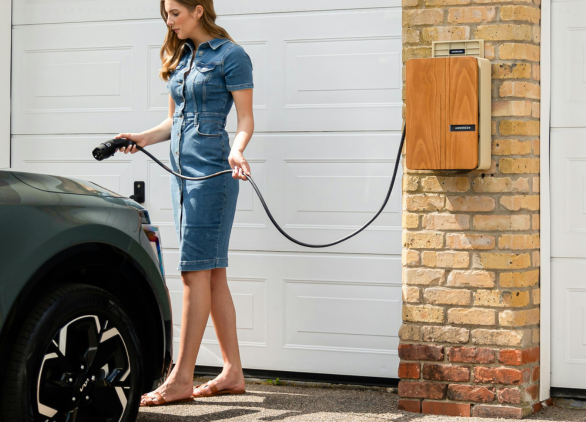
With more people switching to electric vehicles, home EV chargers are quickly becoming one of the most popular electrical upgrades.
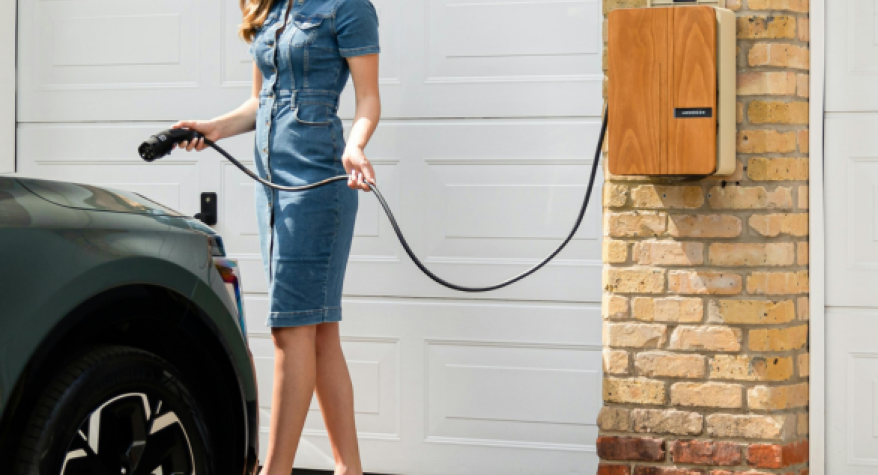
They’re convenient, faster than a standard plug socket, and make charging overnight simple. But before installing one, it’s important to make sure your home’s electrical system is ready.
Is Your Fuse Board Suitable?
The first thing to check is your consumer unit (fuse board).
Not all older fuse boards are suitable for an EV charger installation. In many cases, the board may need upgrading to ensure it has the correct protection in place.
Modern chargers often require dedicated circuit protection, and older setups may not meet current regulations.
This is especially important where older RCDs are installed.
Why RCD Type Matters
Many older homes in High Wycombe still have Type AC RCDs.
While these were common in the past, modern electrical equipment — including EV chargers — often requires Type A protection or other charger-specific fault protection.
This is because EV chargers can generate fault currents that older RCDs may not detect correctly.
Using the wrong type of protection can reduce safety and may lead to nuisance tripping.
Earthing and Bonding Must Be Correct
One of the most important checks before installing an EV charger is making sure the earthing and bonding are correctly sized and in good condition.
The main earthing conductor and bonding to services such as gas and water must comply with current regulations and be suitable for the additional load and fault protection requirements.
Undersized or missing bonding can create serious safety risks.
This is something many High Wycombe homeowners never see, but it is essential for safe installation and proper fault protection.
Dedicated Circuit = Better Safety
An EV charger should always be installed on its own dedicated circuit.
This means it is separated from the rest of the house circuits, reducing overload risks and making fault protection much safer.
Trying to add a charger onto an existing circuit is never the right solution.
Capacity Check
Another important factor is whether your incoming supply and existing circuits can comfortably handle the extra load.
EV chargers draw a significant amount of power, so checking your main supply capacity is essential.
In some High Wycombe homes, load management solutions may also be recommended.
Better to Check Before You Buy
Before purchasing a charger, it’s always worth having your electrics assessed first.
A quick inspection can save time, avoid unexpected upgrade costs, and ensure everything is safe and compliant from day one.
Thinking ahead now can make the installation smooth and future-proof your home. If you'd like to enquire about EV Charger Installation in High Wycombe.